Most people first hear about Saffordite through the metaphysical community – drawn by stories of deep grounding and high‑frequency energy. But when it comes to saffordite value – the kind of lasting worth that rare objects accumulate over decades – almost no one can explain why this stone is so special. This article changes that.
What follows is not a case built on spiritual claims alone. It is a case built on geology, archaeology, supply economics, and ancient human behavior. And that case for saffordite value is far more compelling than any myth.
What Is Saffordite? (And What Does It Look Like?)
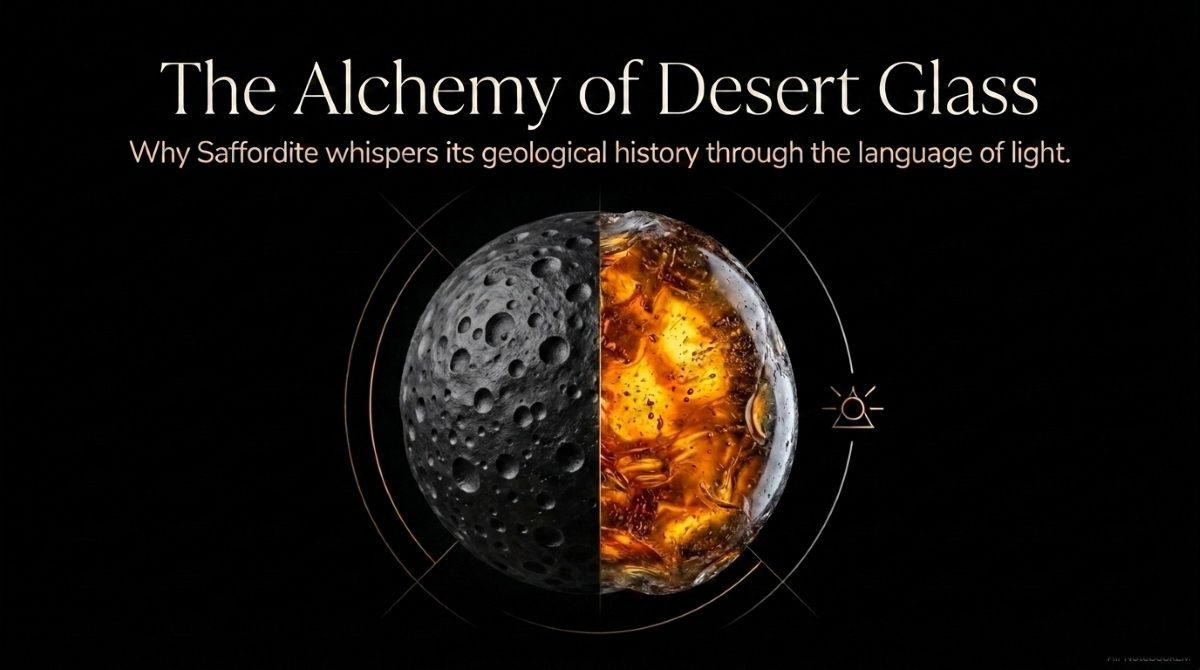
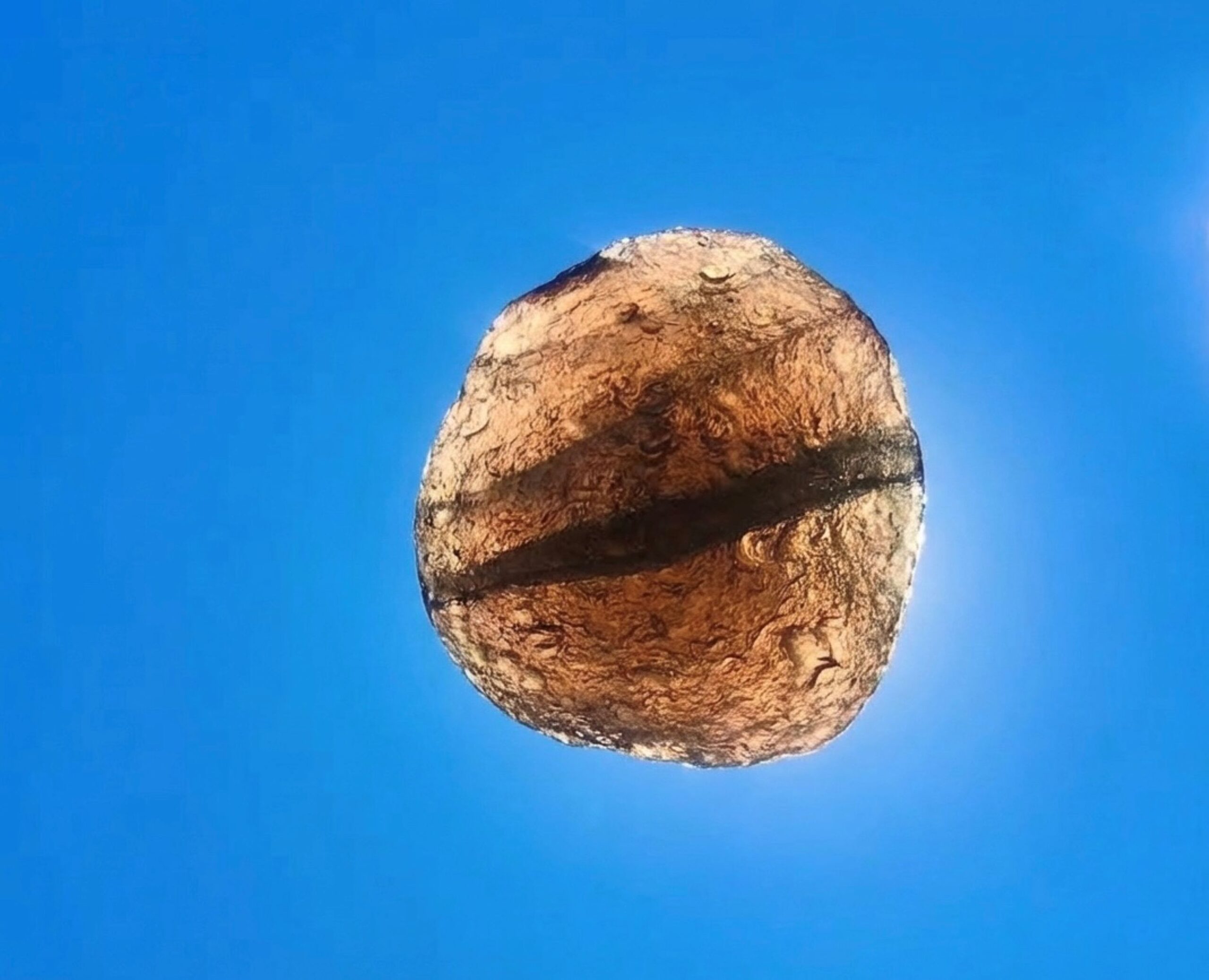
Understanding saffordite value starts with knowing what it actually is. Saffordite is a natural volcanic glass – a type of obsidian – found only in the Safford Valley of Graham County, Arizona. Unlike the black, opaque obsidian you might see in a rock shop, Saffordite is often translucent. Hold a thin piece to the light, and you’ll see warm browns, smoky grays and different tones of amber. The most prized specimens are almost transparent.
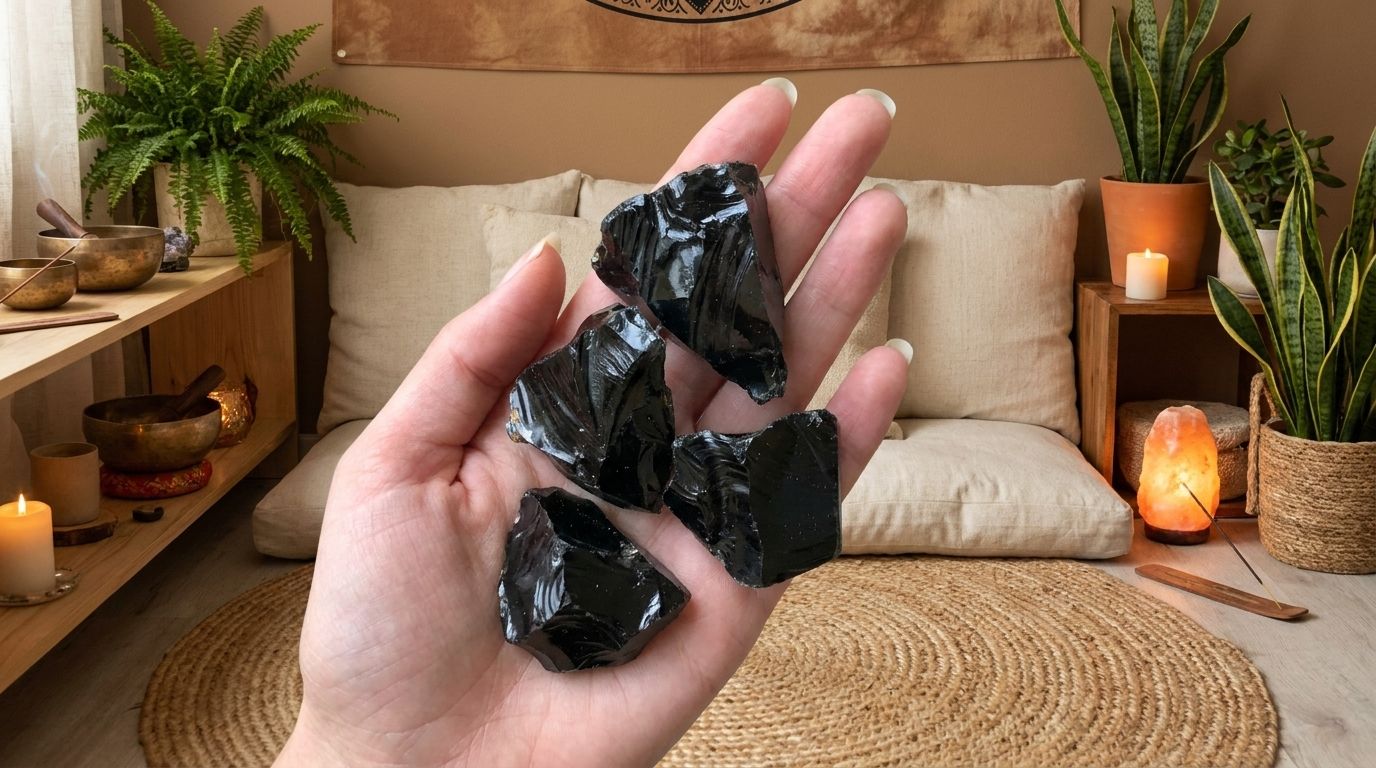
The nodules are naturally rounded and polished by millions of years of river tumbling. Their surface is covered with a distinctive dimpled, cratered skin – the result of long burial in slightly acidic groundwater that etched the glass. That unique texture once led early collectors to mistake Saffordite for tektites or even meteorites.
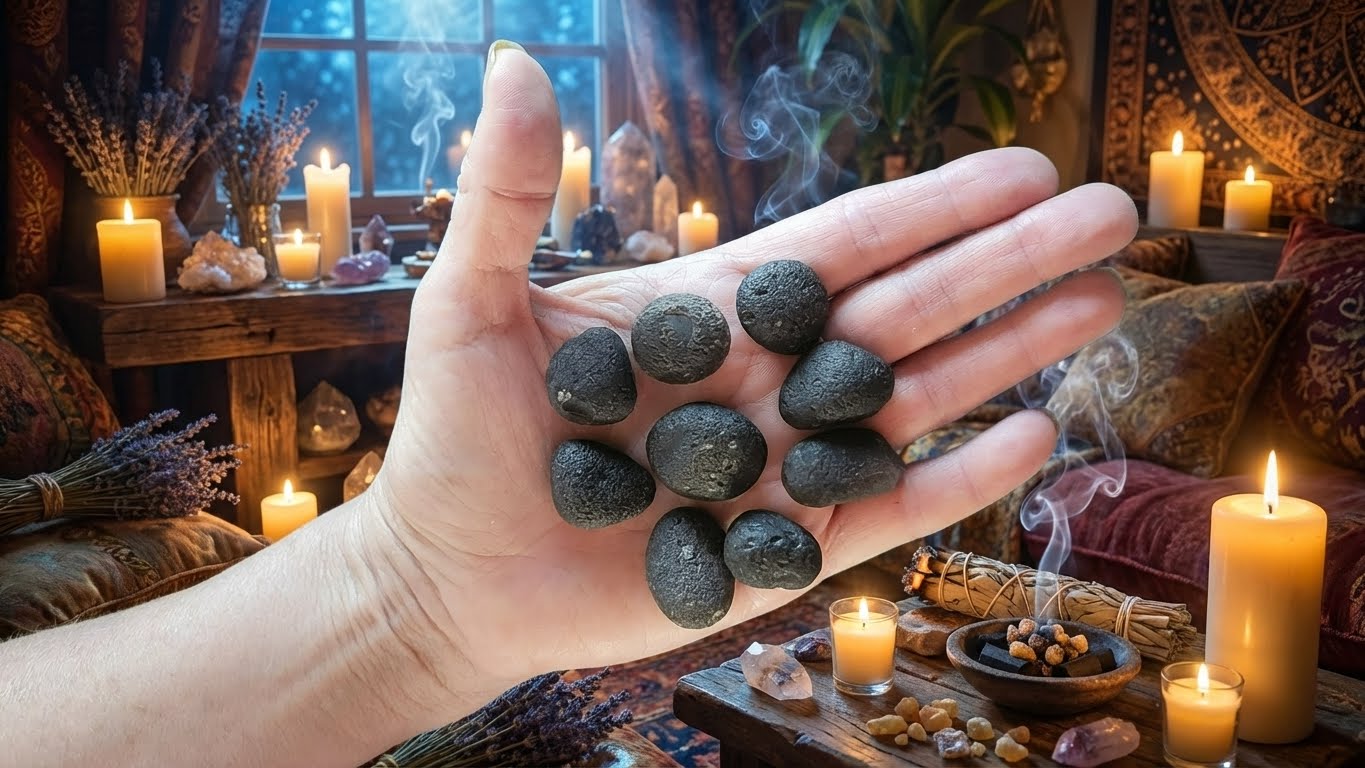
Now we know the truth. And the truth makes saffordite value more remarkable than fiction.
A Stone With a Verified Biography
Most crystals on the collector market have a vague origin story: “A mine in Brazil.” “A deposit in Madagascar.” Very few have a specific, traceable biography. Saffordite does. And that biography directly drives saffordite value.
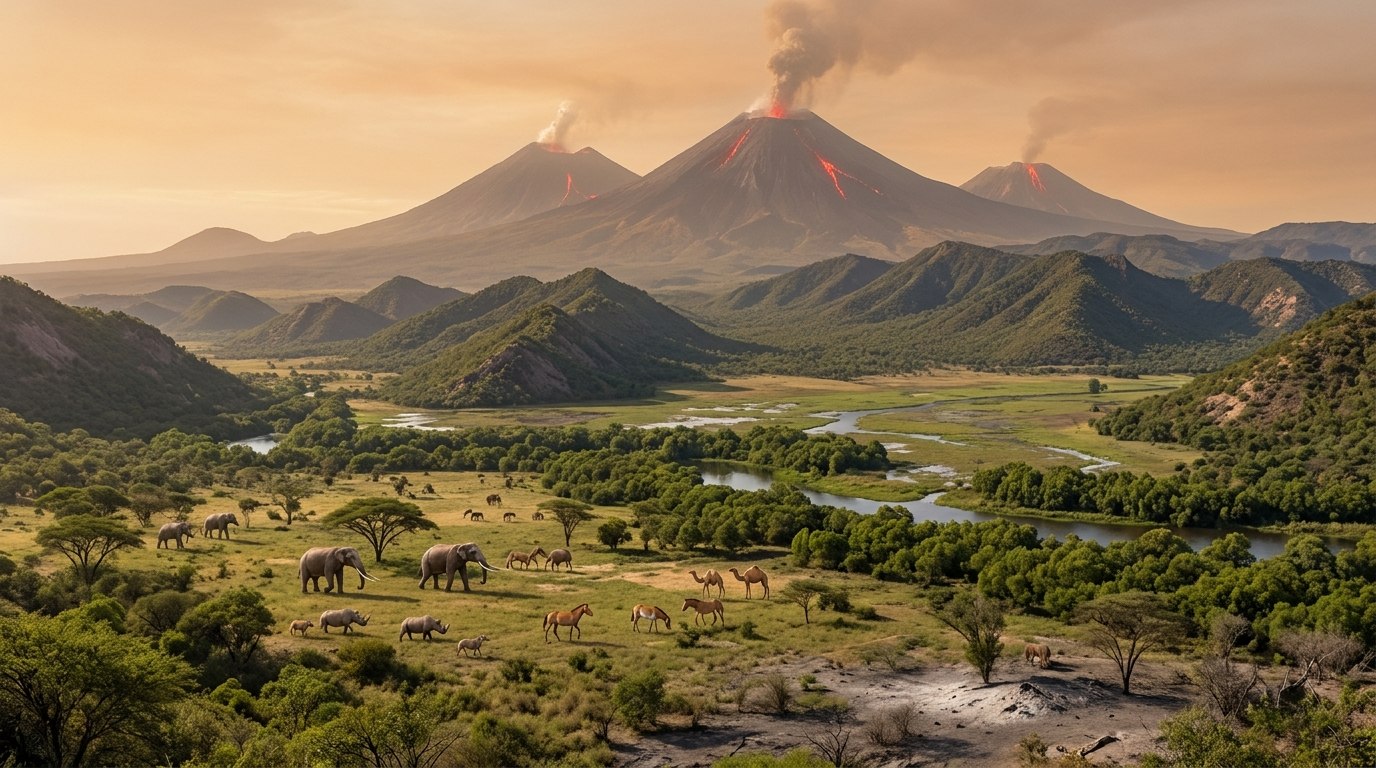
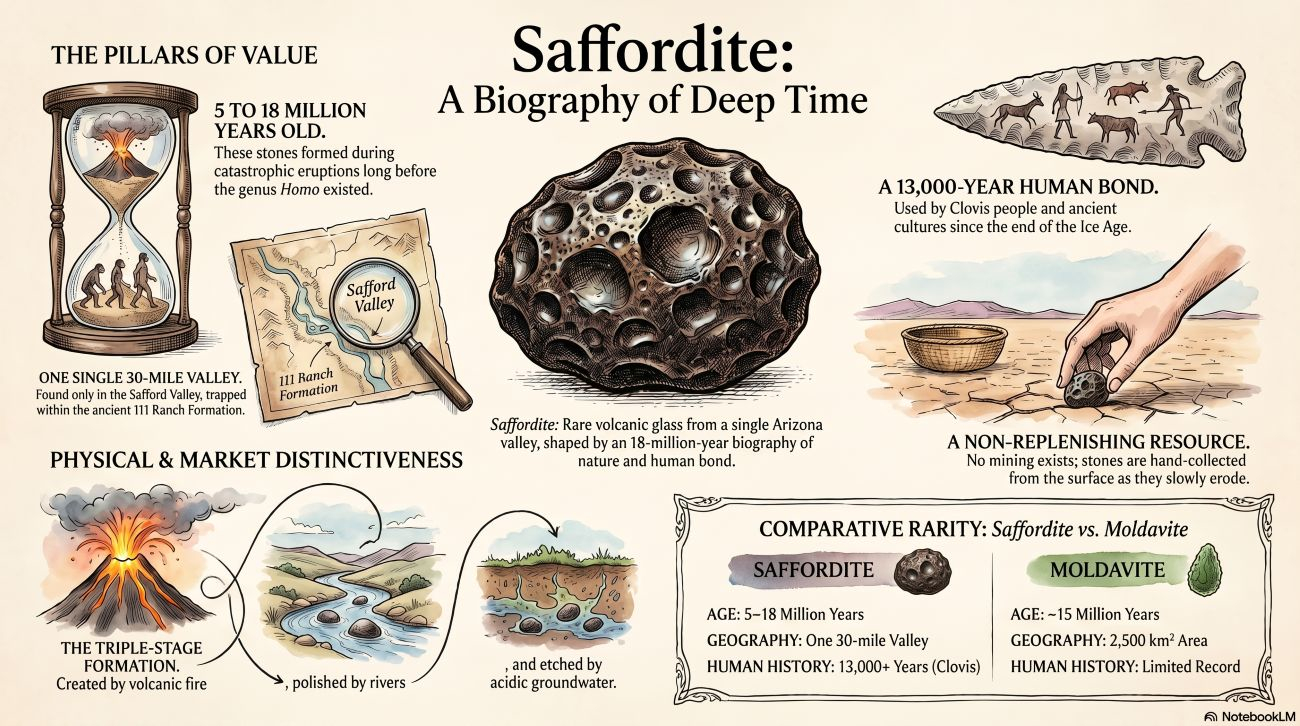
We now know that Saffordite comes from two separate volcanic eruptions in what is now the American Southwest. The first, at the Cow Canyon source in Greenlee County, Arizona, is a mid‑Tertiary eruption (roughly 5 to 10 million years old). The second comes from the Mule Creek volcanic complex in western New Mexico, where two of the four chemical subgroups have been radiometrically dated to 17.7 million years ago – a precise measurement, not an estimate. Peer-reviewed geological studies confirm these dates.
These were catastrophic eruptions. Silica‑rich magma cooled so fast that no crystals had time to form, freezing into pure volcanic glass. Deep within the ash flows, small nodules of exceptionally pure glass formed – what geologists call marekanites. Those nodules are the direct ancestors of every Saffordite specimen in existence.
That specific, documented origin is a cornerstone of saffordite value. You are not holding a crystal from a broad region. You are holding glass that formed in a specific eruption at a measurable time in Earth’s history.
10 to 18 Million Years: What That Number Actually Means
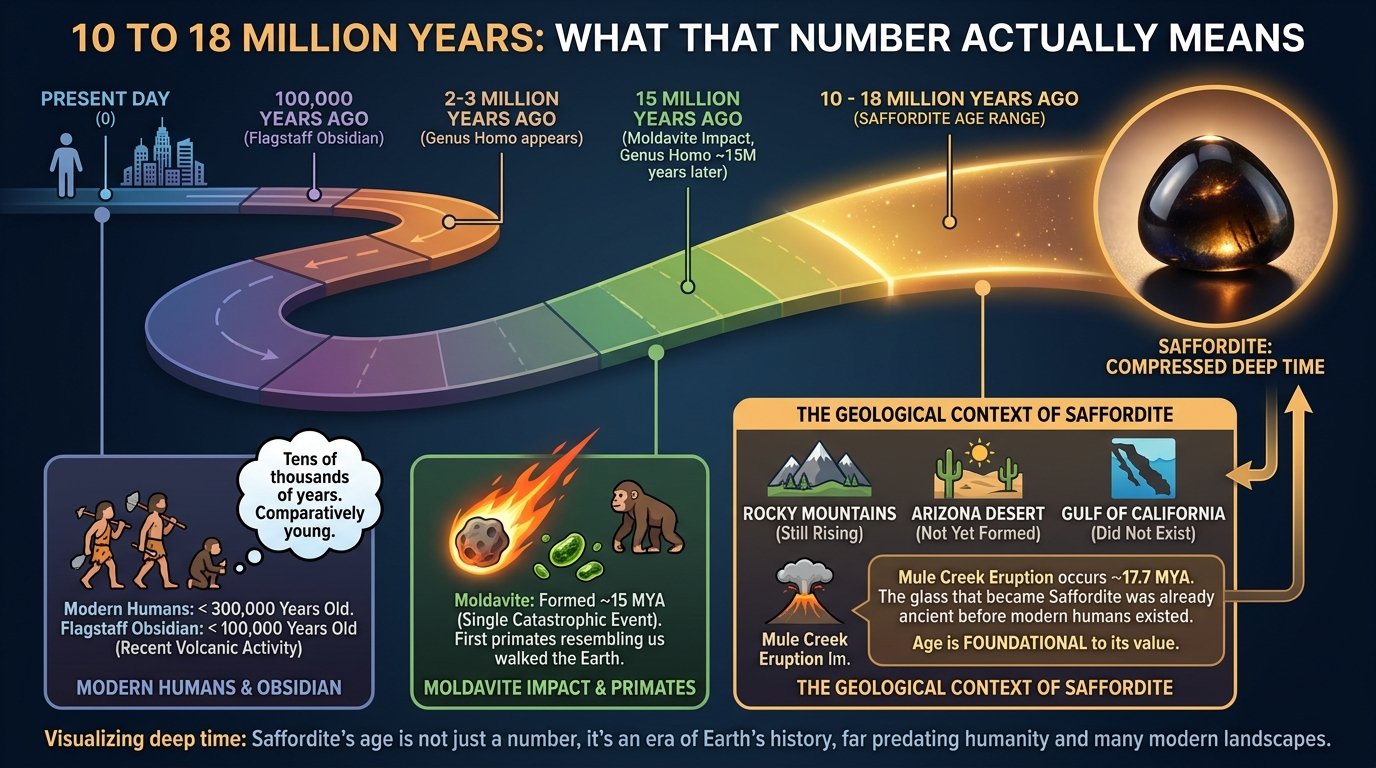
Few collector stones can match saffordite value based on age alone. Numbers this large tend to lose meaning. Ten million years. Eighteen million years. Here’s a way to understand the scale.
When the Mule Creek eruption occurred 17.7 million years ago, modern humans did not exist. Our genus, Homo, would not appear for another 15 million years. The Rocky Mountains were still rising. The Arizona desert as we know it had not yet formed. The Gulf of California did not exist. The glass that would eventually become the Saffordite you hold today was already ancient by the time the first primates that resembled us walked the earth.
By comparison, most obsidian on the collector market comes from eruptions that occurred tens of thousands of years ago – the Flagstaff deposits are less than 100,000 years old. The celebrated green tektite, Moldavite, formed about 15 million years ago from a meteorite impact – comparable in age to Saffordite’s older material, but formed in a single catastrophic event rather than enduring volcanic processes.
Saffordite’s age is not incidental to its saffordite value. It is foundational. You are holding compressed deep time.
A Supply That Cannot Be Replenished
Finite supply is the single biggest driver of saffordite value over time. Every serious collector eventually confronts the same question: How much of this stone exists, and where is more coming from?
For Saffordite, the answers are simple and sobering.
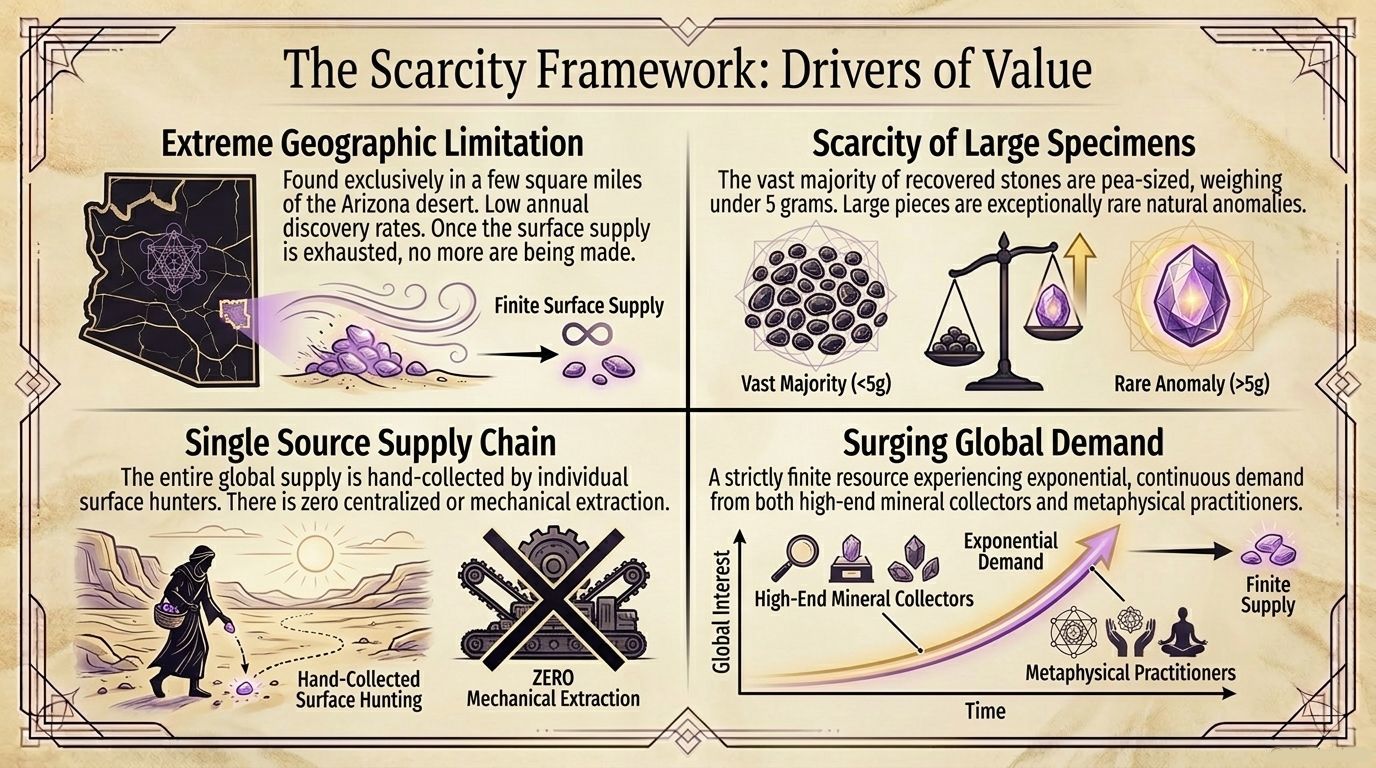
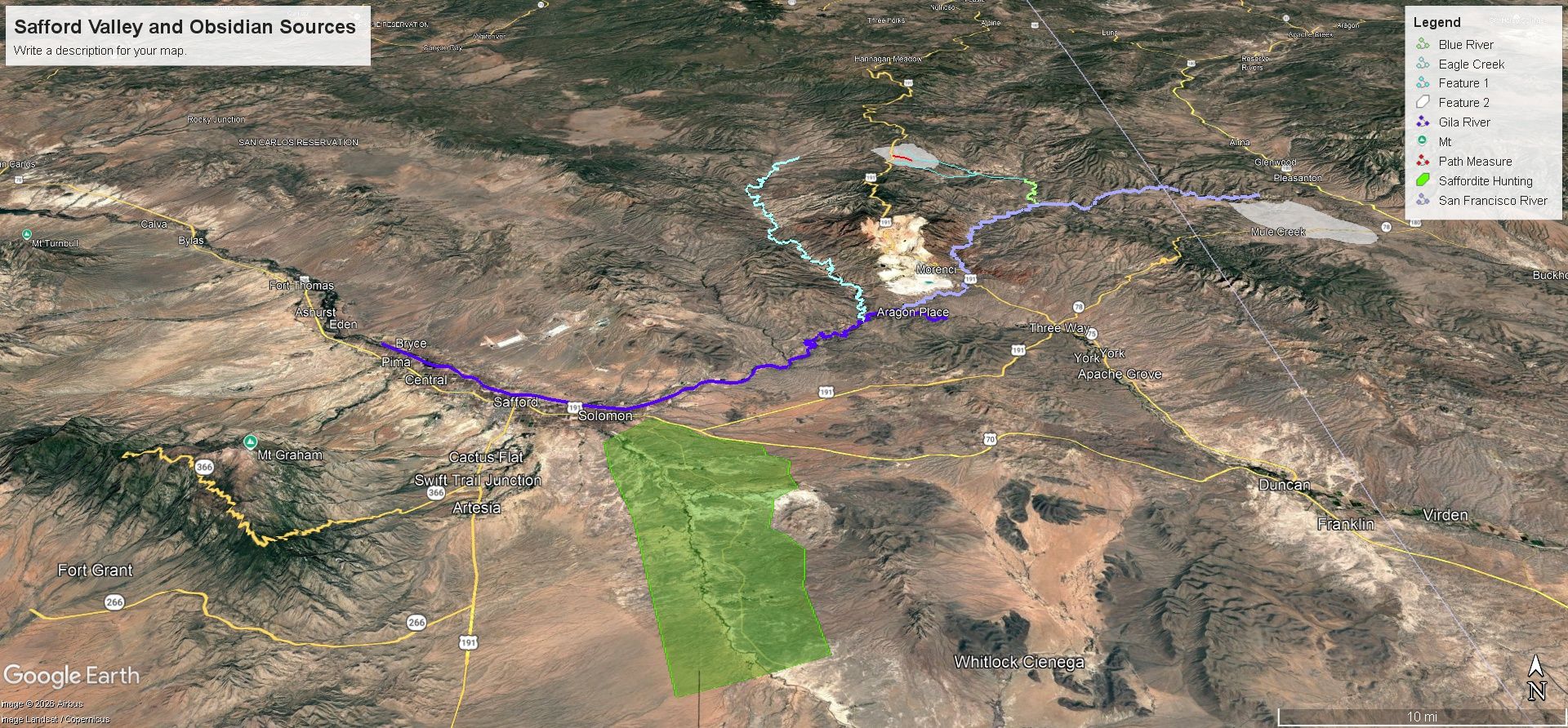
Saffordite is found in one place on earth: the Safford Valley of Graham County, Arizona. Not the American Southwest. Not Arizona. One valley, about 30 miles long.
The stones have accumulated there over millions of years in the sediments of the 111 Ranch Formation – an ancient lake bed that trapped glass nodules carried downstream from the Cow Canyon and Mule Creek sources by the Gila River and its tributaries.
That formation is not being replenished. The high‑energy river conditions that deposited large nodules in that lake bed – conditions that existed during the Pliocene and Pleistocene epochs – are long gone. The modern Gila River does not deliver new nodules at a meaningful rate.
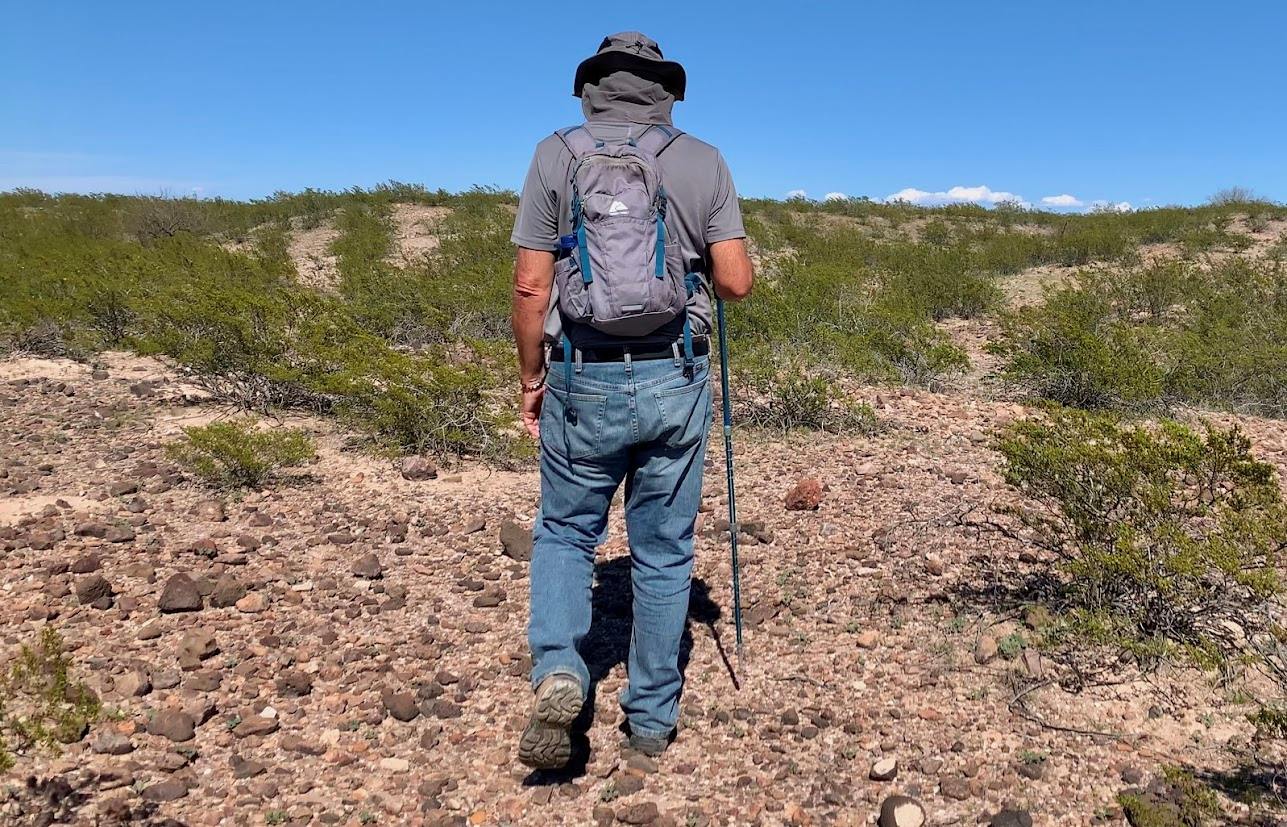
What exists is what exists. The 111 Ranch Formation is slowly eroding, exposing nodules that have been buried for 2 to 5 million years. Desert winds sweep away the topsoil, leaving the denser glass pebbles behind. Collectors walk those dry washes and find them.
When a nodule is picked up and sold, it is permanently removed from the geological record. It does not grow back. No mining operation can produce more. No volcanic activity is creating new sources. This scarcity directly determines saffordite value.
Land Status & Access
The 111 Ranch Formation is partly on private land and partly on public land managed by the Bureau of Land Management – Safford Field Office. Access is regulated. Some areas are closed to collection. No commercial mining exists – it is surface‑collected by hand. Every significant specimen permanently reduces available inventory. This is not a marketing claim; it is geology.
The First Americans Chose These Stones
Here is a part of the saffordite value story that even many serious collectors overlook.
The Clovis people were among the first humans to inhabit North America. They arrived around 13,000 years ago, at the end of the last ice age, when the Southwest was wetter, the rivers ran harder, and the Safford Valley was a dramatically different landscape.
These first Americans found the same translucent nodules in the same river gravels where collectors find them now.
And they chose them. Deliberately, preferentially, and persistently.
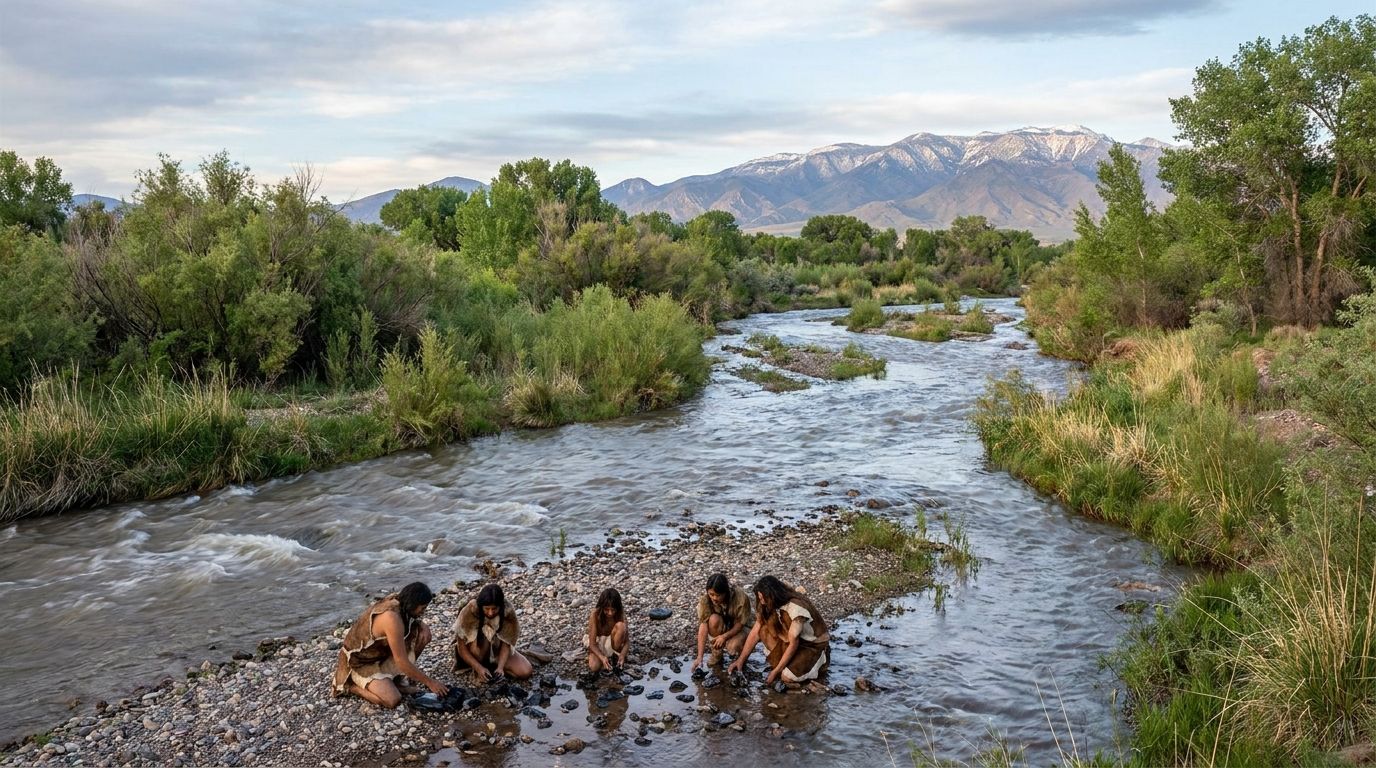
Archaeological studies of Clovis sites in southern Arizona show these people traveling considerable distances to work with Cow Canyon glass. Two Clovis points recovered from the Murray Springs site – now held at the Arizona State Museum – were made from Cow Canyon obsidian, the very material that becomes Saffordite. When they found it in the Safford area, they used a specialized technique called bipolar reduction to extract usable flakes from nodules as small as an inch across. They worked extraordinarily hard to use even the tiniest pieces.
That level of effort tells you how valued this material was. The human relationship with Saffordite did not begin with modern collectors. It began at least 13,000 years ago and continued through the Archaic period, the Early Agricultural period, and the Hohokam and Salado cultural traditions up to the historic era.
When you collect Saffordite, you participate in a tradition that stretches back to the first Americans. That archaeological legacy adds another layer to saffordite value.
Geographic Exclusivity That No Other Stone Matches
Moldavite’s value rests partly on the fact that it comes from one impact event, in one region of the Czech Republic, and no new supply is being created. Saffordite value is built on even tighter geographic constraints.
Moldavite is distributed across a strewn field covering several thousand square kilometers. Saffordite is found in one valley. Its presence there is the product of a specific and unrepeatable set of geological conditions: two upstream volcanic sources, a river drainage system that converged precisely in this valley, and an ancient lake bed that functioned as a sediment trap for millions of years. Remove any one of those elements, and Saffordite does not exist.
No other region on earth replicates these conditions. There is no secondary deposit waiting to be discovered somewhere else in Arizona. The 111 Ranch Formation is the only place these specific nodules have ever accumulated in collectible quantities.
This exclusivity is structural, not circumstantial. It is built into the stone’s formation history. That is a powerful component of saffordite value.
Why Saffordite Looks and Feels Unlike Anything Else
Part of saffordite value comes from irreducible physical distinctiveness. A stone that looks and feels like nothing else commands attention – and sustained interest.
The combination of factors that produces Saffordite’s appearance is not found in any other common volcanic glass. The exceptional age of the source eruptions creates far greater translucency than younger obsidian. Millions of years of river transport round and polish the nodules into forms that look almost manufactured – smooth, tactile, and subtly luminous. And the final step – long burial in slightly acidic groundwater – etches the characteristic dimpled, cratered skin.
This three‑stage process – volcanic formation, river tumbling, chemical etching – takes place over tens of millions of years. It cannot be accelerated, simulated, or reproduced. The resulting stone looks like nothing else. That rarity of appearance directly enhances saffordite value.
The color range adds further: near‑black with smoky depth, to translucent with grayish to extra light amber to amber tones. Banded specimens – showing multiple zones of different glass – are also common.
What Determines Saffordite Value? Five Key Factors
Let’s summarize the five factors that drive saffordite value before we compare it to other stones.
- Age – 5 to 18 million years old.
- Physical distinctiveness – Translucent, dimpled, river‑polished.
- Geographic exclusivity – One valley, one ancient lake bed, two named volcanic sources.
- Archaeological legacy – Continuous human use from Clovis (13,000 years ago) to the present.
- Finite supply – Surface‑collected, no mining, no replenishment.
Any one of these would make Saffordite interesting. Together, they make saffordite value one of the most compelling stories in the collector market.
Saffordite Value vs. Moldavite Value: A Direct Comparison
Serious collectors of natural glass typically know four names: Moldavite, Colombianite, Agni Manitite, and Saffordite. Here is how saffordite value stacks up.
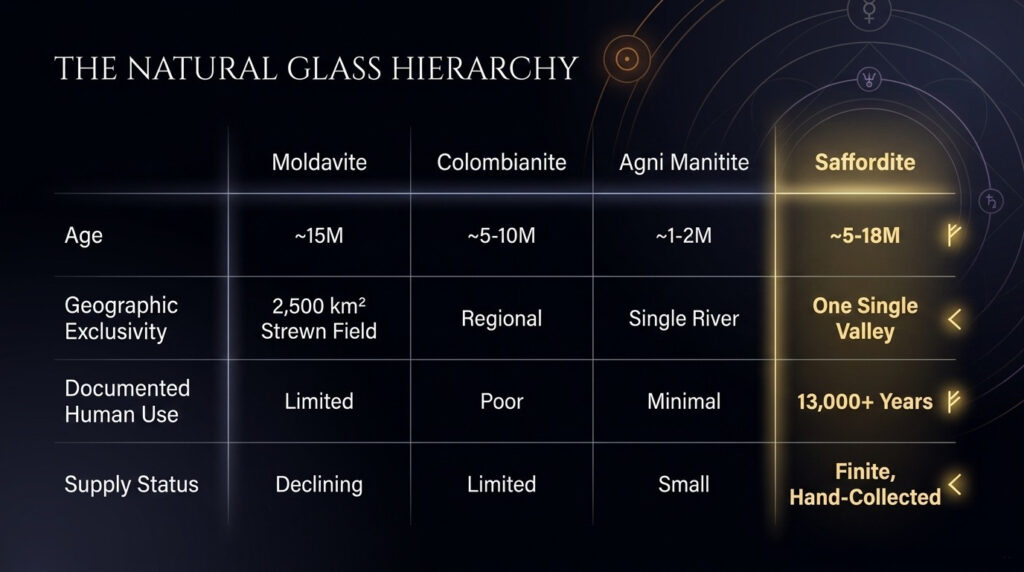
Saffordite is the only one of the four with a continuous, archaeologically documented human tradition. It is the only one formed by two identified and dated volcanic sources converging in a single geological formation. And it remains the least well‑known of the four – which, for collectors who pay attention to saffordite value, is itself meaningful information.
The Metaphysical Dimension (Grounded in Geology)
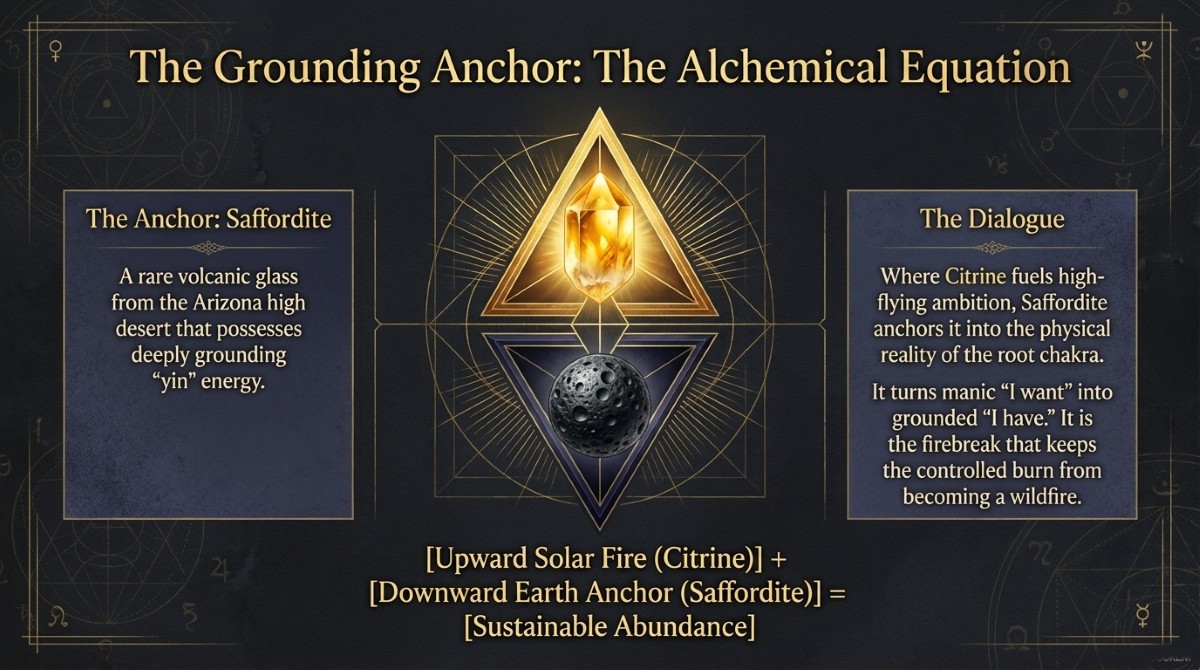
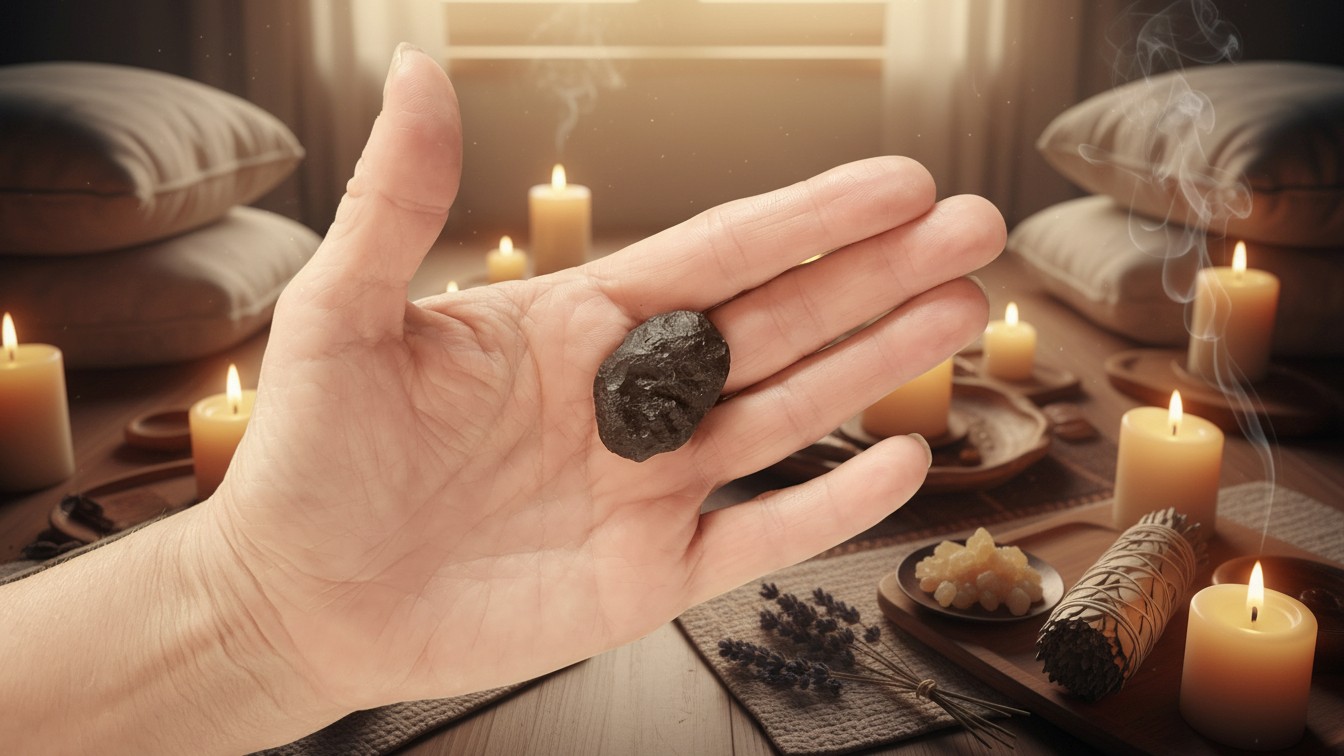
The metaphysical community has long recognized something special in Saffordite. Practitioners consistently describe it as deeply grounding – a stone that anchors rather than elevates, that connects to the earth rather than to the cosmos.

Whether you approach this through belief or curiosity, the physical story makes these attributions coherent. A stone forged in volcanic fire 5 to 18 million years ago, shaped by millions of years of river current, chemically transformed by long burial, and first chosen by the earliest humans in North America – this is a stone with an unusually deep relationship to the physical world.
That deep‑time connection is another reason saffordite value resonates with collectors. The stone’s journey through deep time gives it a presence that younger materials simply cannot match.
How to Estimate Saffordite Value for Yourself
If you are ready to begin or expand your collection, here is what to look for – and how to assess saffordite value in individual specimens.
Quality
Seek translucent specimens with good color (amber, smoky, or rare lavender). The more light passes through, the higher the quality.
Surface texture
The characteristic dimpled “cratered” skin should be intact, not heavily worn or broken. Intact surface texture increases saffordite value.
Size
Nodules over 1 inch (25 mm) are increasingly rare. Specimens over 2 inches are exceptional.
Banding
If you find a banded specimen (multiple colors in one nodule), it is the rarest category of all. Banded Saffordite commands the highest saffordite value.
Where to buy
Buy from reputable dealers who specialize in American‑sourced natural glasses. Be wary of sellers who cannot provide basic provenance information or who claim Saffordite is a meteorite – the science is clear, and any honest dealer will tell you the truth.
Price expectation
Because Saffordite is hand‑collected and finite, quality specimens command higher prices than common obsidian. But compared to Moldavite – which has similar scarcity but far greater market recognition – Saffordite remains undervalued. That won’t last forever. Understanding saffordite value now gives you an advantage.
What a Saffordite Collection Actually Represents
When you build a Saffordite collection, you are assembling something that will become progressively harder to replicate. The supply from the 111 Ranch Formation decreases with every collecting season. Access to BLM lands is regulated. No commercial mining exists. Every significant specimen that enters a private collection permanently reduces available inventory.
This is a different proposition from most crystals on the market, which are mined from ongoing deposits and priced according to current supply. Saffordite value is tied to what it is – a finite resource from a specific geological formation, with a 13,000‑year human history, now being collected from a desert surface by hand.
Thirty years from now, the best Saffordite specimens will be in collections. Some will be in museums. The stones available to new collectors will be progressively smaller, lower in quality, or harder to find. The collectors who build their pieces now will be holding something that is increasingly irreplaceable. That trajectory is the ultimate proof of saffordite value.
The Bottom Line
Add these five factors together – age, physical distinctiveness, geographic exclusivity, archaeological legacy, and finite supply – and saffordite value becomes undeniable.
- Age: 5 to 18 million years old.
- Physical distinctiveness: Translucent, dimpled, river‑polished.
- Geographic exclusivity: One valley, one ancient lake bed.
- Archaeological legacy: 13,000 years of human use from Clovis to the present.
- Finite supply: Surface‑collected, no mining, no replenishment.
The mystery of Saffordite’s origins has been answered by science. What remains is the stone itself – hand‑collected from an ancient lake bed in the Arizona desert, carrying a biography longer and more specific than almost anything else you will ever hold.
The Clovis people chose it. The Hohokam worked it. The Salado shaped it into arrowheads. And now, for the first time in history, anyone can own a piece of that legacy.
The supply is finite. The window to collect at current prices is closing.
The stone is waiting. Go find it – or buy it while you still can.
Based on peer‑reviewed scientific studies by M. Steven Shackley and colleagues (1988–2013), using X‑ray fluorescence analysis of obsidian from the American Southwest. For the full geological and archaeological evidence, see “Origins of Saffordite” at SafforditesUnearthed.com.
Experience the Light of the Desert
Ready to experience the high-frequency energy of the desert for yourself? Browse our hand-selected, authentic collection of Arizona Saffordites. Every stone is unique, ethically sourced from the Safford region, and waiting to find its keeper.